North-East India · Land of the Mekhela Chador
Assam
Assam sits in the lush north-east of India, bordered by Bhutan, Bangladesh, and the forested hills of Meghalaya. It is a land of silk, tea gardens, and the mighty Brahmaputra river — and its clothing is as graceful as its landscape.
The signature traditional garment of Assamese women is the Mekhela Chador, a two-piece ensemble that is considered one of India's most elegant draping styles. The Mekhela is the lower portion — a cylindrical cloth draped from the waist downwards — and the Chador is the upper veil, draped around the body and typically tucked into the Mekhela. A fitted blouse called choli completes the look.
What makes Assamese textiles truly extraordinary is their weaving tradition. Muga silk — a golden silk produced only in Assam — is among the finest natural silk in the world. Pat silk (white and creamy) and Eri silk (known as the "fabric of peace" because no silkworms are harmed) are also woven locally. Traditional Assamese designs feature motifs of animals, flowers, and geometric patterns drawn from nature and mythology.
The Mekhela Chador is one of the most graceful draping traditions I've encountered. When I wear it, the softness of the silk and the elegance of the drape speak for themselves. Assam's Muga silk is something truly special — that natural golden sheen cannot be replicated.
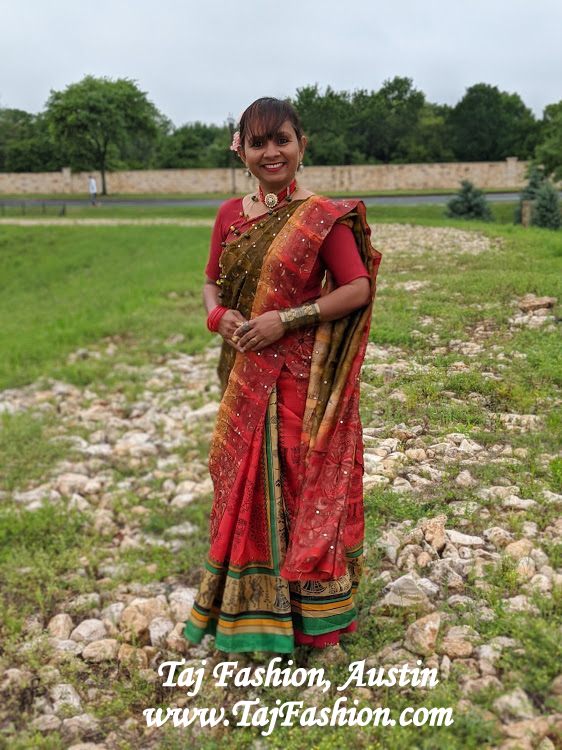
Mekhela Chador — the iconic Assamese draping style
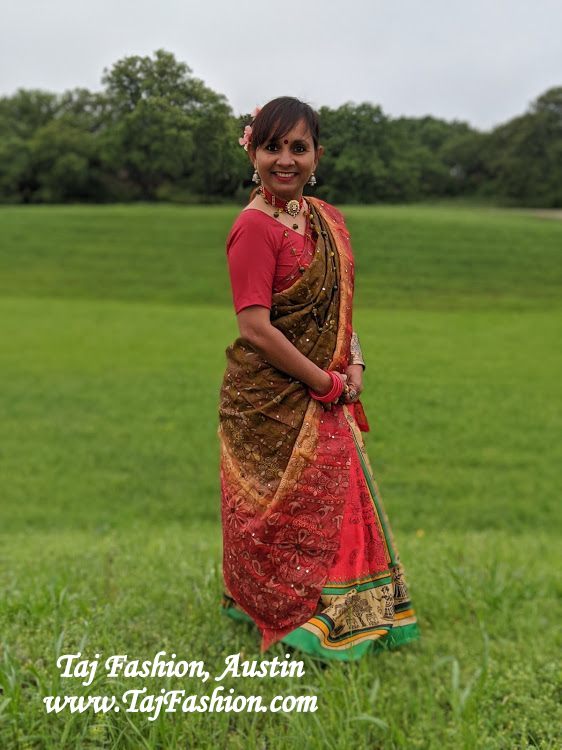
Assam's signature Muga silk in natural golden tones
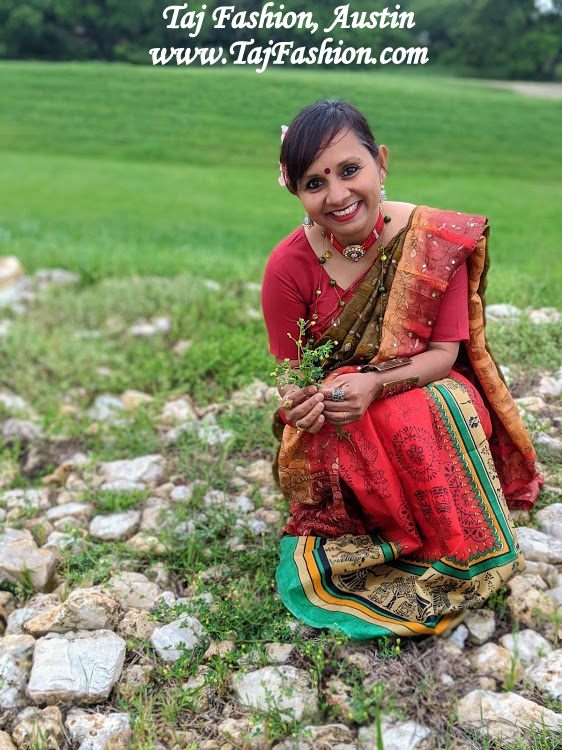
Hand-woven Assamese patterns featuring floral and animal motifs
East India · Land of Bhagalpuri Tussar Silk
Bihar
Bihar — whose name derives from the Sanskrit word Vihara, meaning 'abode' — is one of India's oldest and most historically significant states. It is the birthplace of Buddhism, where Gautama Buddha attained enlightenment under the Bodhi tree at Bodh Gaya.
Bihar's most celebrated textile contribution is the Bhagalpuri Saree, also known as Tussar silk saree. Woven in the town of Bhagalpur on the banks of the Ganges, these sarees are made from wild silk with a rich, textured finish and earthy golden hues. Bhagalpuri silk has a natural sheen that sets it apart from cultivated silks.
The traditional way of draping a saree in Bihar is called the Seedha Anchal style — meaning the pallu (decorative end) is brought to the front rather than thrown over the back. Women often use this same end to modestly cover their head. The aesthetic is one of quiet dignity and cultural rootedness.
Bhagalpuri Tussar is one of those fabrics that feels completely different the moment you touch it — that rough, raw silk texture with the natural golden color is unmistakable. I stock it because it's unlike anything else. The Seedha Anchal draping style is beautiful in its simplicity.
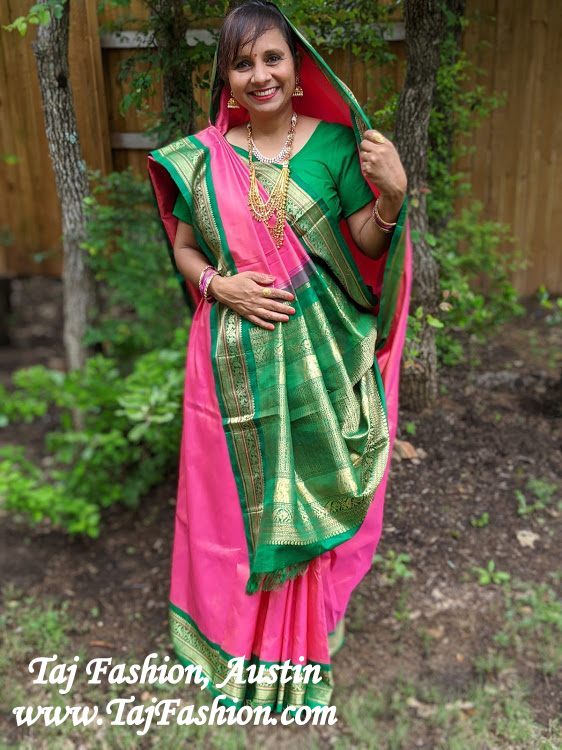
Bhagalpuri Tussar — Bihar's golden silk heritage
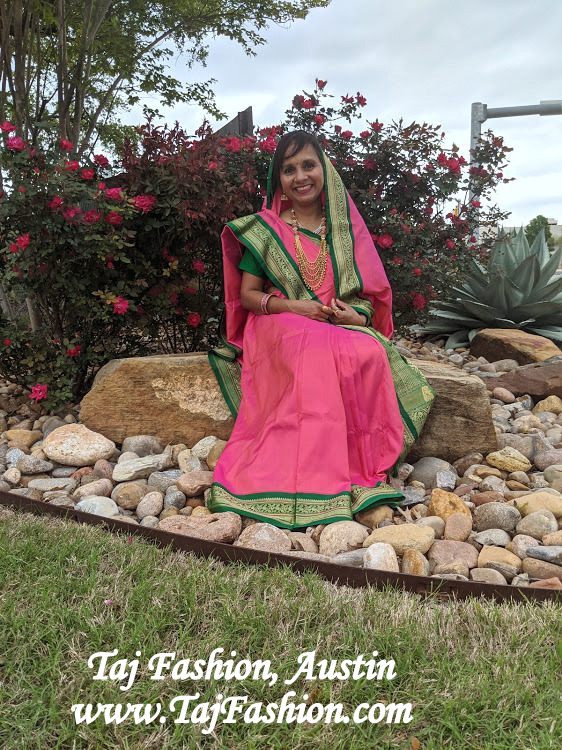
The Seedha Anchal style: pallu brought to the front
Central India · Tribal Weaving & Lugda Tradition
Chhattisgarh
Chhattisgarh is a state of dense forests, fertile plains, and extraordinary tribal diversity. Home to over 42 tribal groups — including the Gond, Baiga, and Korwa peoples — the state's textile traditions are deeply rooted in nature and community ritual.
Tribal women are famous for wearing the Lugda (a style of saree) with a Polkha (short blouse), combined with striking ornaments and jewelry that are integral to their cultural identity. The weaving of Chhattisgarh is dominated by Kosa silk — also known as Tussar, woven from wild silkworms that feed on Arjun and Sal trees unique to the region. Kosa silk has a natural, earthy golden-brown color.
The state is also celebrated for its Kotpad weaves (natural plant dyes in deep reds and blacks) and Champa silk. Ornaments — made of terracotta, bone, metal, and shells — are not just decorative but carry deep symbolic meaning tied to tribal cosmology and rites of passage.
I visited Chhattisgarh and was struck by how the women dressed with such confidence and joy. The tribal jewelry isn't just accessory — it tells stories of lineage and belonging. That picture from the vegetable market shows everyday life dressed in beauty.
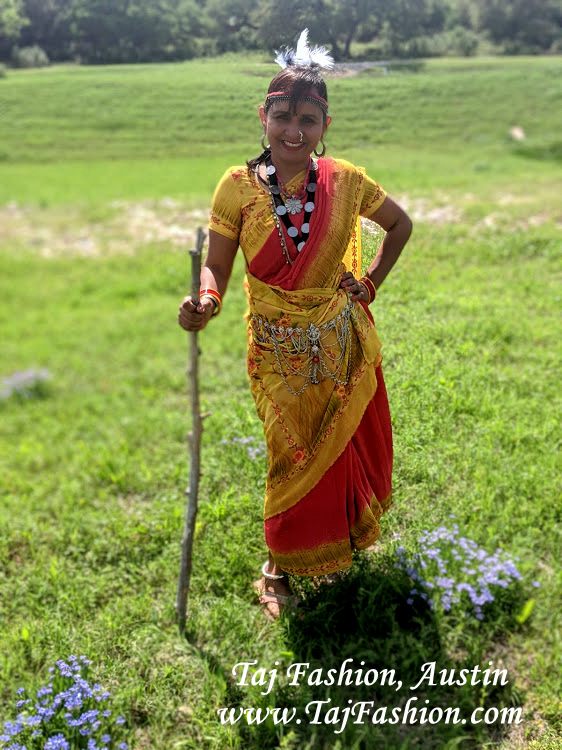
Tribal women in Lugda sarees with traditional ornaments
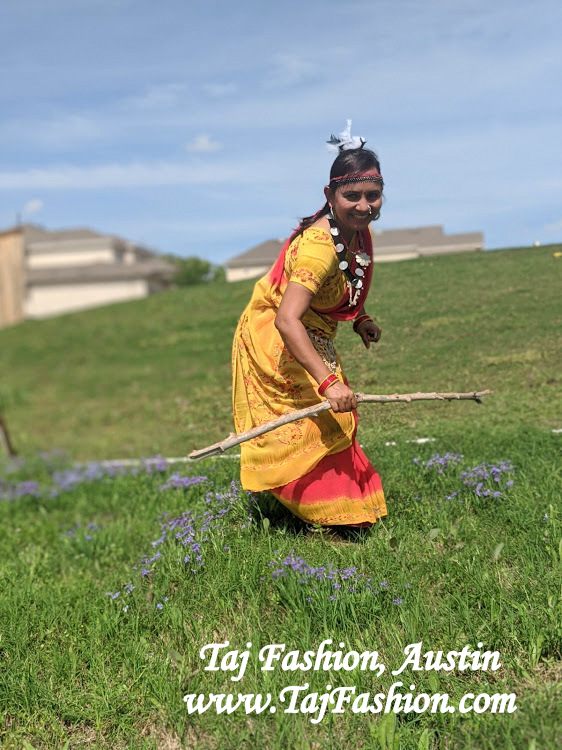
Natural Kosa silk woven in the forests of Chhattisgarh
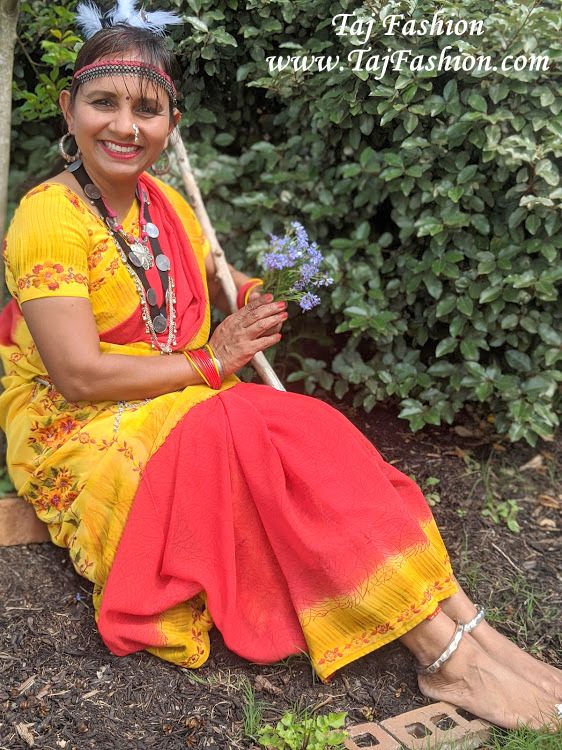
Polkha blouse with heavy silver and metal ornaments
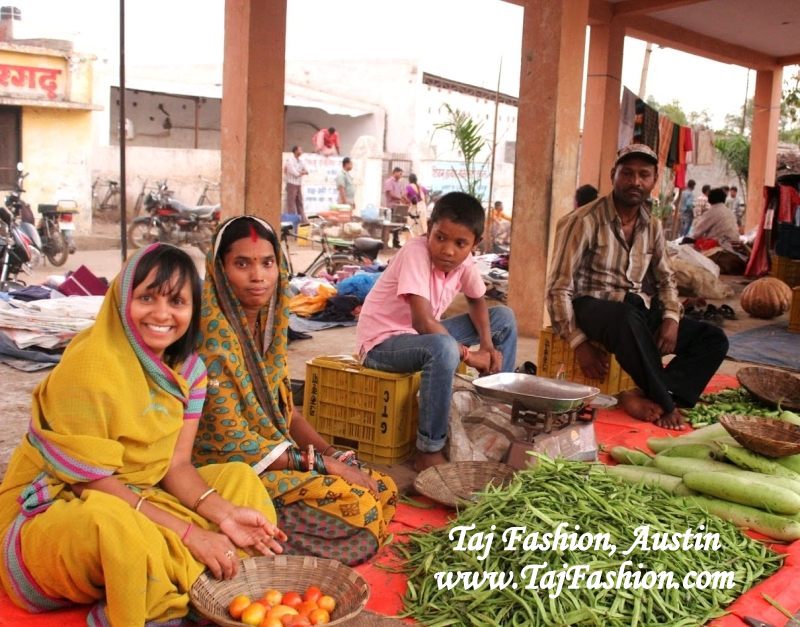
Real life — a vegetable market in Chhattisgarh, photographed by Nisha
Visit Taj Fashion, Austin TX
Find Your State's Traditional Look
Nisha stocks sarees, lehengas, and regional garments from across India. Come explore — by appointment, with her full personal attention.